Additions That Expand Usable Square Footage
Home Additions in Madison for families outgrowing kitchens, bedrooms, or living areas without relocating
Growing families reach the point where bedrooms no longer accommodate children who need separate spaces, kitchens lack the counter area required for multiple people preparing meals simultaneously, and living rooms feel cramped when extended family visits. Home additions create functional square footage by expanding existing rooms or building entirely new spaces that integrate with the home's current design. R3 Rock Remodeling & Reconstruction LLC manages addition projects in Madison with owner oversight from structural planning through final finish work, coordinating framing that matches existing roof lines, flooring that transitions seamlessly between old and new sections, and exterior siding that blends with original materials.
The construction process begins with foundation work that ties into existing footings, followed by framing that aligns floor heights and ceiling levels with adjacent rooms. Roof lines are extended or modified to maintain consistent pitch and drainage patterns, while window and door placements are positioned to preserve natural light flow throughout the expanded floor plan. Interior finishes match existing trim profiles, flooring types, and paint colors unless homeowners prefer updated materials that distinguish the new space while coordinating with the overall aesthetic.
Arrange an on-site consultation to discuss custom addition projects that address specific space limitations and usage requirements in your current home.
What Changes After Addition Construction Completes
Structural planning involves verifying that existing foundations can support additional loads or whether new footings must be poured independently, determining how roof framing extends without creating valleys that trap water or ice, and routing HVAC ductwork to condition the added space without overloading current system capacity. Framing connections between old and new sections require removing exterior siding, attaching new studs to existing wall framing with structural fasteners, and installing flashing that prevents water infiltration at seams.
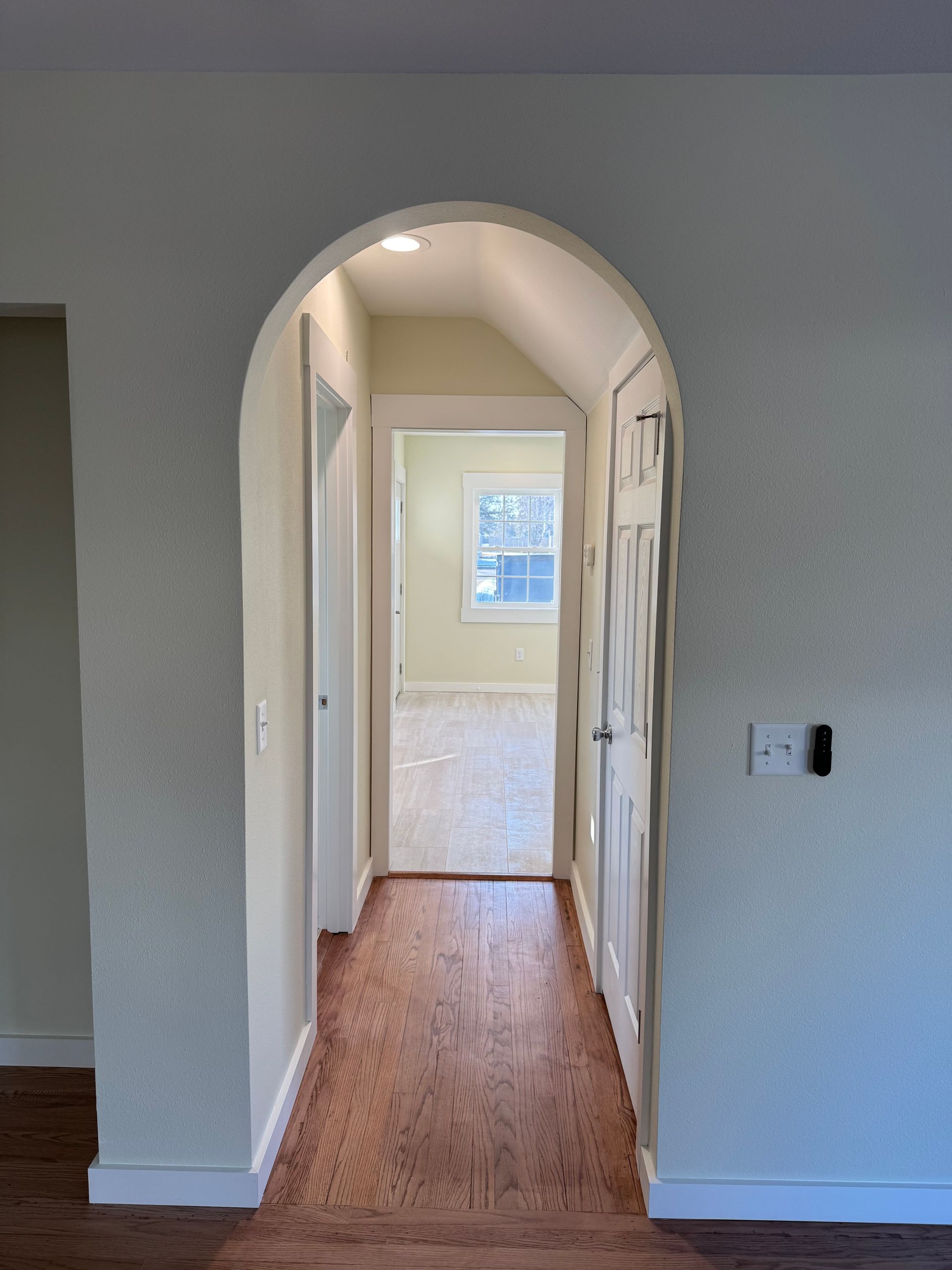
After completion, you'll notice floor transitions that don't create tripping hazards because subfloor heights match precisely, walls that appear as continuous surfaces without visible seams where drywall meets, and trim details that follow the same profiles throughout both original and new spaces. Doors between sections operate smoothly because rough openings are framed square and level, and electrical outlets are positioned at consistent heights that match existing rooms. Exterior siding blends without color mismatches because new materials are selected to coordinate with weathered originals or the entire facade is updated for uniform appearance.
Home additions include foundation work, structural framing, roof extensions, finish carpentry, and integration with existing HVAC and electrical systems, but they don't typically cover furniture, appliances, or landscaping restoration in areas disturbed during construction. Value-focused solutions balance quality materials with budget constraints, prioritizing structural integrity and finish quality that improves both daily usability and long-term property value.
Questions Before Starting Your Project
Property owners considering home additions in Madison frequently ask about structural requirements, how new spaces integrate with existing layouts, and what construction timelines involve.
What structural work supports an addition?
Additions require foundations that either tie into existing footings using rebar and concrete bonding agents or are poured separately with expansion joints, and roof framing must align with existing ridge heights and rafter spacing to maintain consistent load distribution across the structure.
How are floor levels matched between old and new spaces?
Floor heights are matched by pouring foundations at elevations that account for existing subfloor thickness, joist depth, and finished flooring materials, ensuring transitions occur without steps that create trip hazards or require ramps for accessibility.
Why do some additions require HVAC system upgrades?
Adding square footage increases the heating and cooling load beyond what existing furnaces and air conditioners were sized to handle, which sometimes requires upgrading equipment or adding supplemental units to maintain comfortable temperatures throughout the expanded home.
What happens to exterior siding during construction?
Existing siding is removed where new framing attaches to the original structure, and new siding is installed to match current materials or the entire exterior is updated if color and weathering differences would create a patchwork appearance that detracts from curb appeal.
How does owner oversight improve addition quality?
Direct involvement from the business owner ensures framing connections meet structural standards, finish details align with homeowner preferences discussed during planning, and subcontractor work like electrical and plumbing rough-ins are verified before walls are closed, reducing the likelihood of callbacks or corrections after project completion.
R3 Rock Remodeling & Reconstruction LLC coordinates all phases of home addition construction with consistent communication, from initial design consultation through final walkthrough. Discuss addition plans that expand kitchens, bedrooms, or living areas while maintaining seamless integration with your home's existing layout and architectural style.