Homes Returned to Safe Condition
Property Restoration in Madison for residences affected by fire damage, severe interior deterioration, or unexpected loss requiring demolition and full rebuild
Fire damage leaves more than charred surfaces—it embeds smoke residue deep into porous materials, compromises structural integrity through heat exposure, and saturates framing with water from suppression efforts. Property restoration managed by R3 Rock Remodeling & Reconstruction LLC handles the full scope of work required to return homes to safe, functional, and comfortable condition after fire, severe deterioration, or other property loss. The company coordinates demolition, cleanup, reconstruction, and finishing phases under one management structure, which prevents the delays and communication breakdowns that occur when homeowners juggle multiple contractors during stressful recovery situations.
Restoration involves removing all damaged and contaminated materials, addressing underlying issues that contributed to deterioration, rebuilding structure and systems to current standards, and completing finishes that match or improve the home's original condition. All restoration work is completed in-house, which maintains quality control and accountability from the first day of demolition through final walkthrough.
Contact the company for a restoration assessment if your property has sustained damage that extends beyond surface repairs.
What Changes After Restoration Completes
Restoration planning starts with documentation—photographing damage, testing air quality for smoke or mold contamination, evaluating which structural elements can be cleaned versus replaced, and identifying hazards that require containment during demolition. This initial phase establishes scope, allows accurate cost estimates, and creates a timeline that sequences work logically from demolition through final finishes. The company provides clear communication throughout this planning stage, explaining what needs to happen and why certain steps can't be skipped even when homeowners are eager to move quickly.
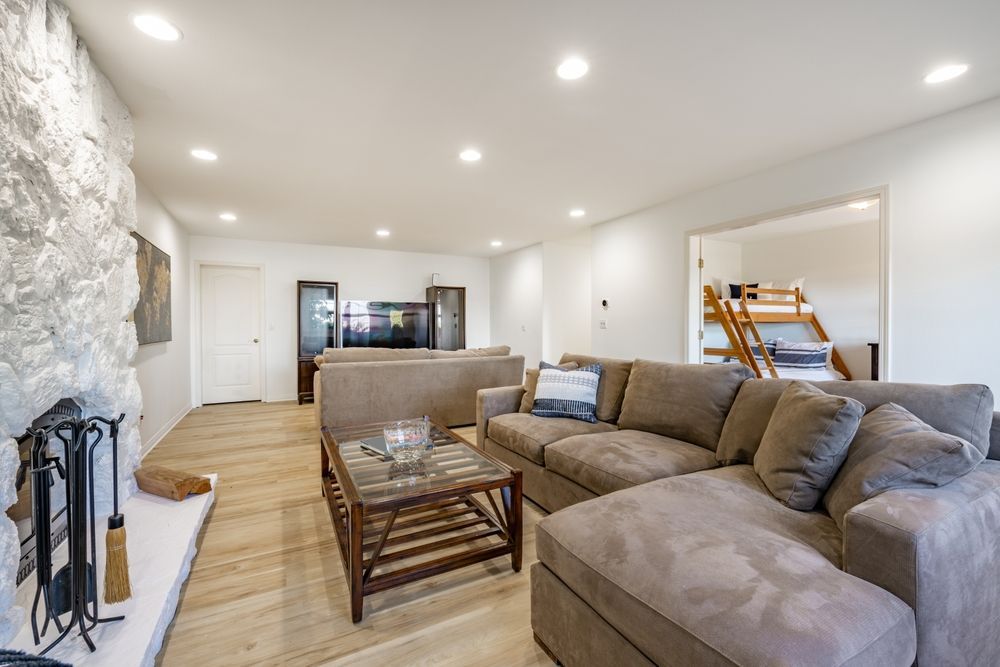
After restoration finishes, the home no longer carries smoke odor embedded in ductwork and framing because contaminated materials were removed rather than sealed over. Rooms return to their original dimensions with walls that run straight and ceilings that sit level, floors feel solid without soft spots where water damage weakened substructure, and windows and doors operate correctly because new framing was installed plumb and square. Electrical panels, plumbing fixtures, and HVAC systems function reliably because they were replaced or thoroughly cleaned and tested rather than assumed functional.
Restoration timelines vary based on damage extent—a single-room fire might take weeks to restore, while whole-home damage requires months of coordinated work across all trades. The company's experience working with homeowners on complex restoration projects means they understand the documentation requirements for insurance claims, the emotional weight of rebuilding after loss, and the importance of maintaining realistic timelines even when families want to move back in quickly.
Answers to Frequent Restoration Questions
Property restoration involves decisions that affect both immediate recovery and long-term home performance, and understanding the process helps homeowners make informed choices during difficult circumstances.
What gets removed during fire damage restoration?
Any material that absorbed smoke, sustained heat damage, or got saturated during fire suppression typically requires removal—drywall, insulation, flooring, and sometimes framing if charring penetrated deep enough to compromise strength. Smoke residue travels through HVAC systems and into closed cabinets, so restoration often extends beyond visibly burned areas.
How does restoration differ from standard reconstruction?
Restoration addresses contamination and safety hazards first—removing materials that harbor smoke particles, testing for structural compromise from heat or moisture, and cleaning systems before rebuilding begins. Standard reconstruction assumes you're starting with clean, safe conditions and focuses on repairing or replacing damaged structure without the decontamination requirements.
What happens during the demolition and cleanup phase?
Crews remove damaged materials systematically, bag and dispose of contaminated debris properly, clean remaining surfaces with appropriate methods for smoke or mold residue, and establish containment barriers if hazardous materials are present. This phase also includes air quality testing to confirm spaces are safe before reconstruction begins.
How quickly can restoration start after property damage in Madison?
Response timing depends on whether the structure is secure and safe to enter—active hazards like compromised roofing or unstable floors require temporary stabilization first. Once the property is accessible, restoration can begin immediately, though winter conditions sometimes delay exterior demolition or require temporary enclosures to protect open framing from weather exposure during the rebuild.
What documentation do insurance companies typically require for restoration work?
Most insurers want photographic evidence of damage before demolition starts, detailed scope documents explaining what requires removal and why, itemized estimates that separate demolition from rebuilding costs, and receipts or invoices for completed work. The company provides organized documentation throughout the project to support claims processing.
R3 Rock Remodeling & Reconstruction LLC handles property restoration with rapid response, organized project coordination, and the in-house capabilities needed to manage every phase efficiently. Call the company at (608) 921-1202 to discuss your restoration needs and schedule an on-site evaluation of your property's current condition.