Rebuilding Homes After Structural Failure
Reconstruction Services in Madison for properties with structural damage, compromised framing, or interior deterioration that requires demolition and full rebuilding
Structural damage doesn't always announce itself with dramatic failure—sometimes it's a ceiling that sags incrementally over months, floor joists that flex more than they should under normal loads, or walls that bow outward because moisture compromised the framing. R3 Rock Remodeling & Reconstruction LLC provides reconstruction services in Madison for residential properties where damage has progressed beyond surface repairs. The owner provides direct oversight on every reconstruction project, ensuring that demolition, rebuilding, and finishing phases follow a coordinated plan rather than treating each phase as a separate job.
Reconstruction involves removing compromised materials down to sound structure, rebuilding framing and systems to current code standards, and completing all finishing work so the space returns to full function. The company's in-house crews handle the entire process, which eliminates the scheduling gaps and miscommunication that occur when homeowners coordinate multiple contractors across demolition, framing, mechanical, and finish trades.
Request an assessment to evaluate structural concerns and determine whether repairs can address the damage or reconstruction is necessary.
How Reconstruction Addresses Long-Term Stability
Reconstruction begins with controlled demolition that exposes the extent of damage while protecting areas that remain sound. Crews document what's removed, identify the root cause of failure—chronic leaks, inadequate original framing, foundation settlement—and design the rebuild to prevent recurrence. This phase determines whether subfloors need replacement, if load-bearing walls require sistered or replaced studs, and where moisture barriers or ventilation improvements should be added.
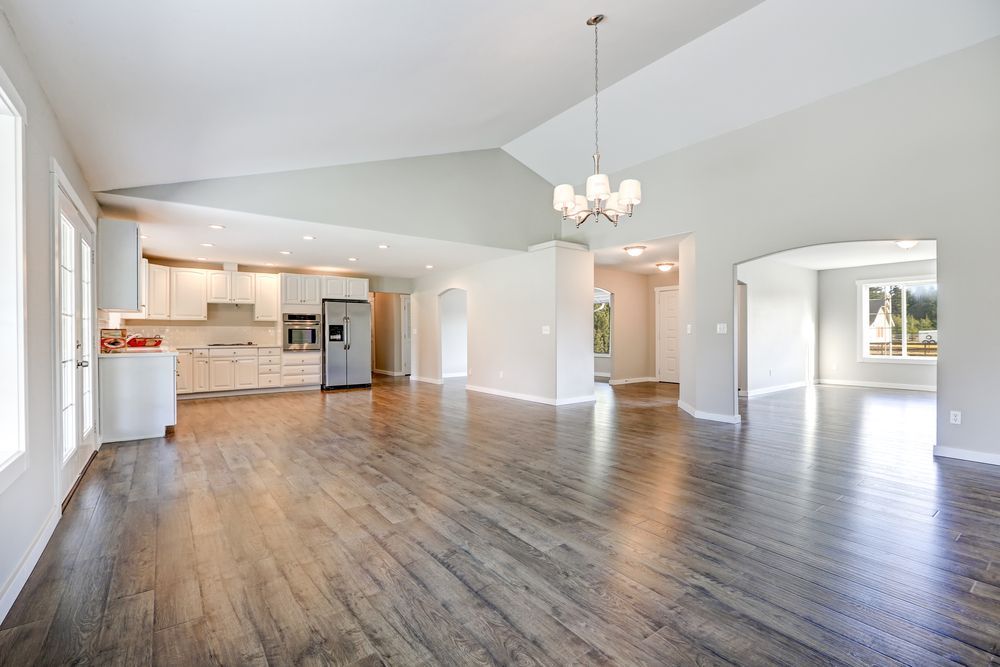
Once reconstruction finishes, floors feel solid underfoot without deflection or bounce because new joists are sized correctly and blocking is installed at proper intervals. Walls stand plumb and ceilings run level, which means doors operate smoothly without binding and trim fits tightly without gaps that develop as framing shifts. Electrical and plumbing systems route cleanly through the rebuilt structure, and insulation fills cavities completely because framing was installed square and straight from the start.
The company maintains scheduling efficiency by keeping all work in-house, which allows adjustments when hidden conditions emerge or when material deliveries shift timelines. Each phase builds on the previous one, so mistakes made during demolition don't complicate framing, and rough-in work doesn't slow finishing.
Common Questions About Reconstruction Projects
Reconstruction projects involve coordination across multiple trades and inspection points, and homeowners often need clarity on what the process entails versus standard renovation work.
What's the difference between reconstruction and renovation?
Renovation updates finishes and layouts within structurally sound spaces, while reconstruction involves removing and rebuilding compromised framing, subfloors, or load-bearing elements. Reconstruction addresses safety and structural integrity first, then completes cosmetic finishing as the final phase.
How do you determine the extent of demolition required?
Initial assessment identifies visible damage, but the full extent often becomes clear only after selective demolition exposes hidden areas. Crews remove materials incrementally, stopping when they reach sound structure, then document conditions and adjust the scope before continuing. This staged approach prevents unnecessary demolition while ensuring all compromised materials get removed.
What inspections are required during reconstruction in Madison?
Structural work typically requires permits and inspections at multiple stages—after demolition and before framing begins, after framing and rough-in work but before insulation and drywall, and after all finish work is complete. The company coordinates with local inspectors and schedules work so inspection delays don't stall the entire project.
How does reconstruction handle outdated systems found during demolition?
Older homes often have electrical wiring, plumbing, or HVAC distribution that doesn't meet current code or capacity requirements. Reconstruction provides the opportunity to upgrade these systems while walls and ceilings are open, which is far less expensive than retrofitting after finishing work is complete.
When should reconstruction start after damage occurs?
Timing depends on whether the damage is actively worsening—structural shifts or ongoing water intrusion require faster action than static conditions that have stabilized. Starting reconstruction during drier months in Madison reduces complications from weather exposure during the demolition and framing phases, though emergency situations sometimes require immediate work regardless of season.
R3 Rock Remodeling & Reconstruction LLC brings experience restoring damaged residential spaces with attention to safety, durability, and craftsmanship that lasts beyond the immediate repair. Reach out to discuss your property's condition and develop a reconstruction plan that addresses both structural concerns and long-term functionality.